Imagine checking your bank balance and seeing money that you can’t withdraw or use. Confusing, right? This usually happens because of a lien placed on your account. In simple terms, lien amount meaning refers to funds temporarily locked by a bank or authority for a specific reason.
While it may feel alarming at first, liens are common and manageable once you understand why they exist and how to remove them.
What is the Lien Amount?
So, what is lien amount exactly? It is a portion of your bank balance that is restricted from use due to a financial or legal obligation. The money still belongs to you, but the bank prevents access until certain conditions, like repayment or clearance, are fulfilled.
Understanding the Different Types of Liens
Liens vary based on who places them and the reason
- Knowing the type of lien helps determine the right course of action.
Bank Lien
- Most common type of lien
- Applied when you owe money to the same bank where you hold an account
- The bank may block access to specific funds until dues are cleared
Judicial Lien
- Placed following a court order
- Arises from legal disputes where financial recovery is enforced
- Can be executed directly through your bank account
Statutory Lien
- Imposed by government authorities
- Commonly due to unpaid taxes or regulatory dues
- Remains in force until the full obligation is settled
Link Between Liens and Borrowing
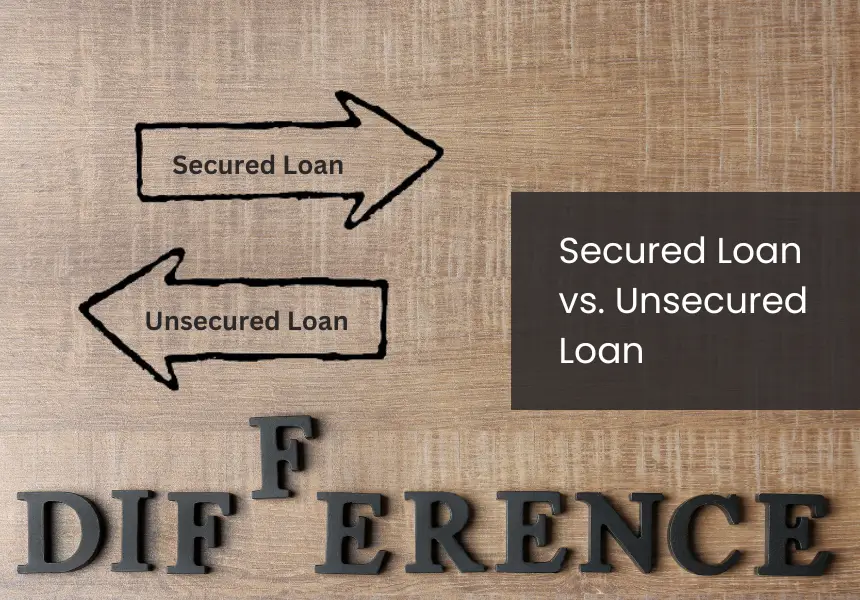
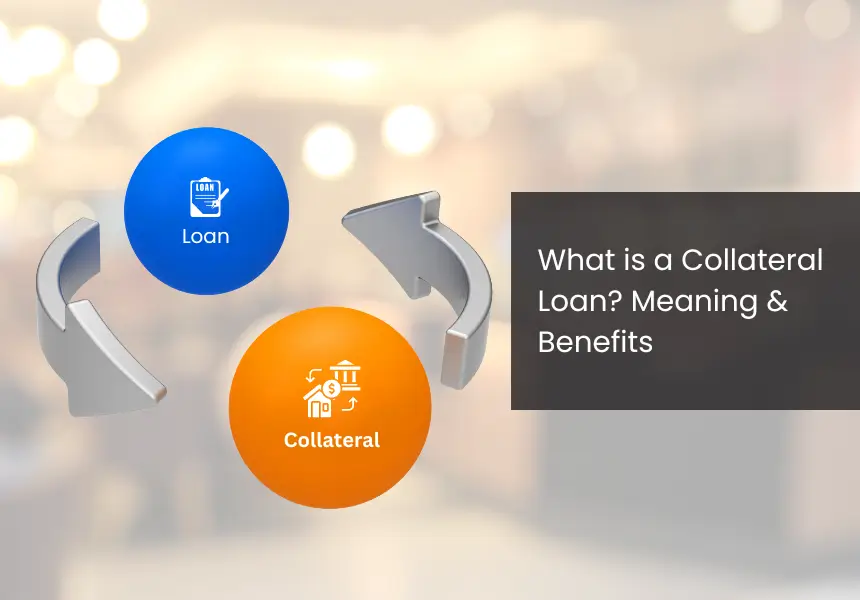
- Secured loans involve collateral, increasing the likelihood of a lien if payments are missed
- Unsecured loans rely on creditworthiness and typically do not involve liens upfront
Common Reasons for a Lien on Your Bank Account
Missed EMIs on Personal Loans
- One of the most common reasons
- Banks may block a portion of funds to safeguard repayment
Unpaid Business Loan Dues
- Often linked to working capital or current accounts
- Banks may restrict balances to recover outstanding amounts
Defaults with Digital Lenders
- Digital lenders may request fund restrictions
- Implemented through partner banks in case of non-payment
Legal Recoveries
- Court-directed recoveries can result in a lien on your account
Tax Arrears
- Unpaid taxes or government dues may lead to statutory liens
Guarantees Given to Others
- If you’ve acted as a guarantor, defaults by the borrower can trigger a lien on your account
Nature of Most Liens
- Generally precautionary measures to secure repayment
- Not intended as punitive action
Ways to Check Your Bank Account Lien Balance
Net Banking or Mobile App
- Most banks display lien details on the dashboard
- Look under account balance, funds on hold, or blocked amount sections
Bank Statement
- Lien amounts are often clearly labelled as lien-marked or blocked funds
Branch Visit
- Bank staff can provide exact lien details
- Includes the amount, reason, and authority that placed the lien
Customer Care Support
- Calling bank customer service can clarify lien status
- Useful if online information is unclear or unavailable
Safety of Checking Lien Information
- Reviewing lien details does not affect your credit score
- Does not impact your account standing
How to Remove a Lien from Your Bank Account
Identify the Underlying Cause
- Lien removal depends on resolving the reason it was placed
Clear Outstanding Dues
- Pay any unpaid loan EMIs, credit, or dues
- Banks usually initiate a lien release once payment is confirmed
Bank Processing
- After verification, the bank processes a formal release request
Legal or Statutory Liens
- Obtain written clearance or official documentation from the concerned authority
- Submit the documents to the bank for action
Timeline for Removal
- Banks generally lift restrictions within a few working days after approval
Post-Removal Confirmation
- Request written or digital confirmation of lien removal
- Keep records safely for future reference
Conclusion
A lien on your bank account may feel stressful, but it’s rarely permanent. It’s simply a protective mechanism used by banks and authorities to ensure obligations are met.
By understanding why it happens, checking details early, and taking timely action, you can resolve the issue smoothly. Staying informed and proactive with your finances is the best way to avoid unnecessary disruptions and keep full control over your money.
You can choose the loan that suits your needs and benefit from competitive interest rates. Both Personal Loan and Business Loan are unsecured, giving you the freedom to use the funds according to your needs.
FAQs
1. Is a lien permanent on a bank account?
No, it is usually temporary and removed once obligations are cleared.
2. Can banks place a lien without informing me?
In some cases, yes – especially for legal or statutory reasons.
3. How long does it take to remove a lien?
Typically between a few days to a couple of weeks after resolution.
4. Does a lien affect my credit score?
The lien itself doesn’t, but the underlying default might.
5. Can I still use my account during a lien?
Yes, but only the unrestricted portion of your balance.