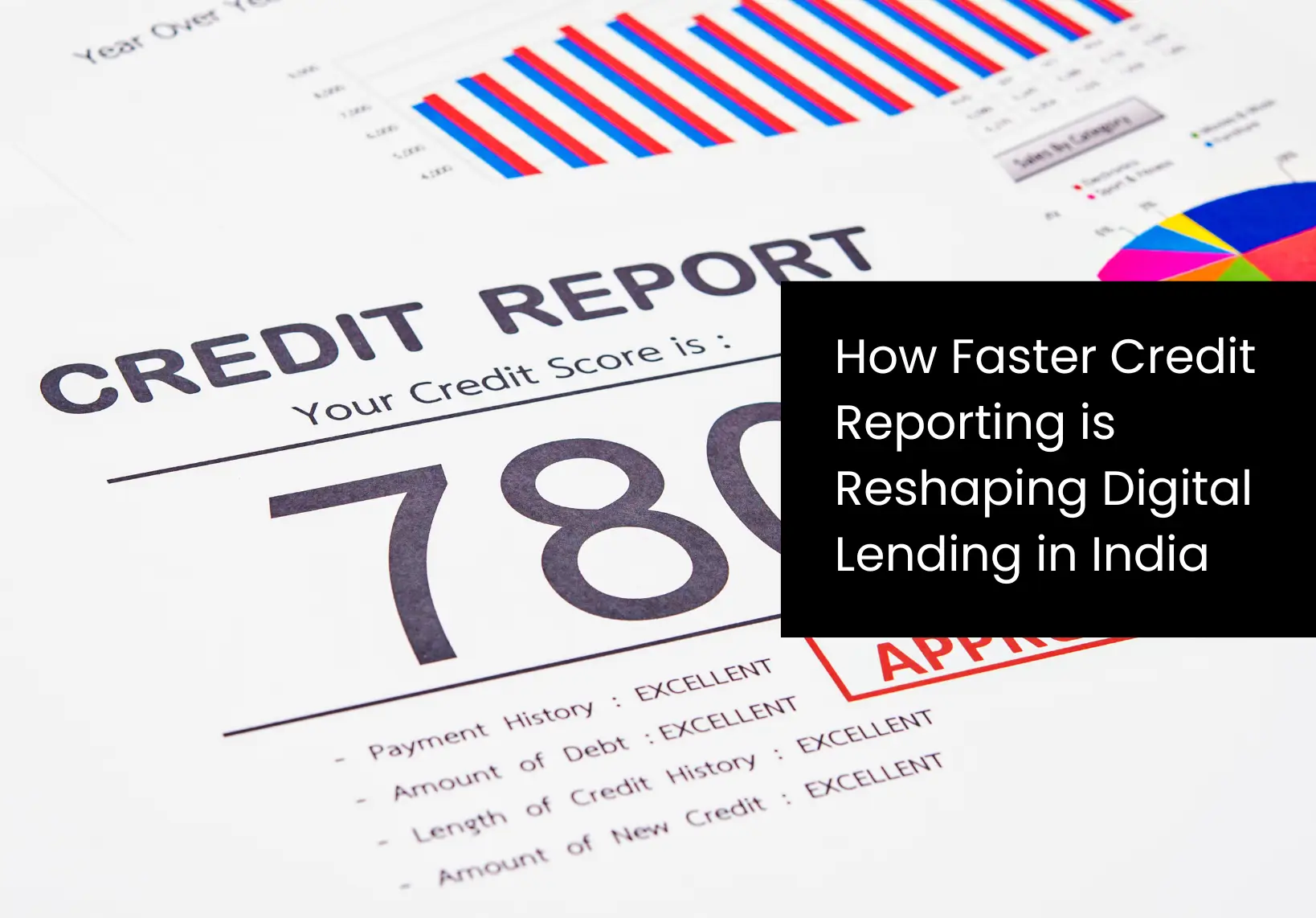
India’s digital lending space is going through a major transformation. With new guidelines from the Reserve Bank of India (RBI), lenders are now moving toward faster and more transparent credit reporting.
This change is especially important for personal loans and unsecured lending, where speed has often come at the cost of visibility.
The Shift from Monthly to Near Real-Time Credit Data
Until recently, credit bureaus in India updated borrower data once a month. This meant there was a delay of 30–45 days between taking a loan and it showing up on a credit report.
Because of this gap, many borrowers were able to take multiple loans across different platforms before their existing loans became visible, a practice known as loan stacking.
Now, with weekly credit reporting being introduced and a gradual move toward real-time updates, this gap is starting to close.
Why Faster Credit Reporting Matters
This shift is a big step forward for digital lending in India. Here’s why it matters:
- Lenders get a more accurate and updated view of a borrower’s financial position
- It reduces the risk of borrowers taking on too much debt
- Loan approvals become more data-driven and reliable
- Transparency improves across the entire lending ecosystem
- The chances of defaults in unsecured loans can come down
In simple terms, faster credit reporting helps make lending safer for both borrowers and lenders.
What This Means for the Future of Fintech Lending
According to Satyam Kumar, CEO of LoanTap, faster credit reporting is a crucial step in controlling borrower over exposure.
With access to near real-time data, lenders can make smarter decisions and avoid approving loans for borrowers who may already be financially stretched.
At the same time, this shift is not without its challenges. Moving toward more frequent reporting will require:
- Stronger technology infrastructure
- Better data management systems
- Higher compliance standards
It’s a clear trade-off that better decision-making comes with greater responsibility.
Impact on NBFCs and Digital Lenders
For NBFCs and fintech platforms, this transition brings both opportunities and challenges.
Opportunities
- Improved credit risk assessment
- Better portfolio quality
- Real-time tracking of borrower behaviour
- A competitive edge in the digital lending market
Challenges
- Increased compliance requirements
- Higher technology and operational costs
- Need for scalable systems to handle frequent data updates
Even with these challenges, the move toward faster reporting is a necessary step to build long-term trust in the system.
The Road Ahead for Digital Lending in India
The shift from monthly to weekly reporting is just the beginning. The industry is gradually moving toward near real-time credit updates.
For borrowers, this means more transparency and fewer chances of over-borrowing.
For lenders, it means sharper, faster, and more responsible decision-making.
Conclusion
The future of digital lending in India is clearly moving toward real-time visibility and responsible credit practices.
With evolving RBI regulations and insights from leaders like Satyam Kumar, the industry is moving towards a model that prioritizes both growth and financial discipline.
For platforms like LoanTap, this isn’t just about compliance, it’s an opportunity to lead the next phase of fintech innovation in India.